
Find the latest Georgia Tech Bioengineering and Bioscience news and research here.
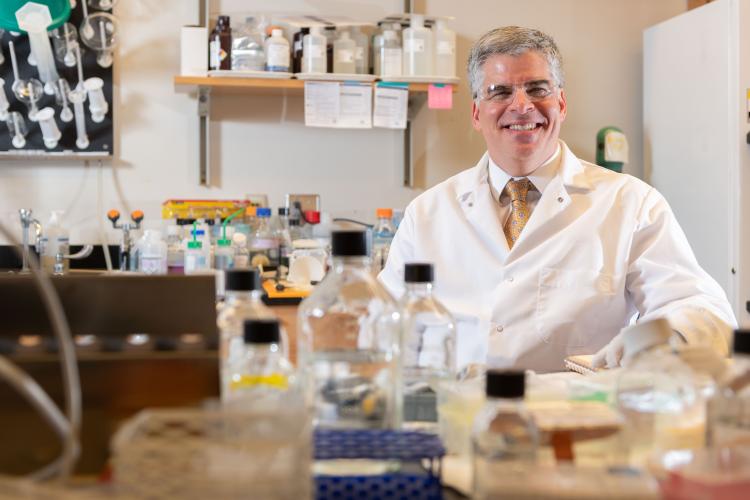
The honorary society dates to the early days of the United States and honors excellence and contributions that advance society.
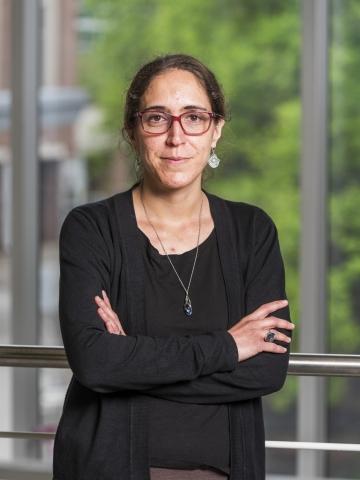
Life’s first alphabet was likely small — but surprisingly powerful.
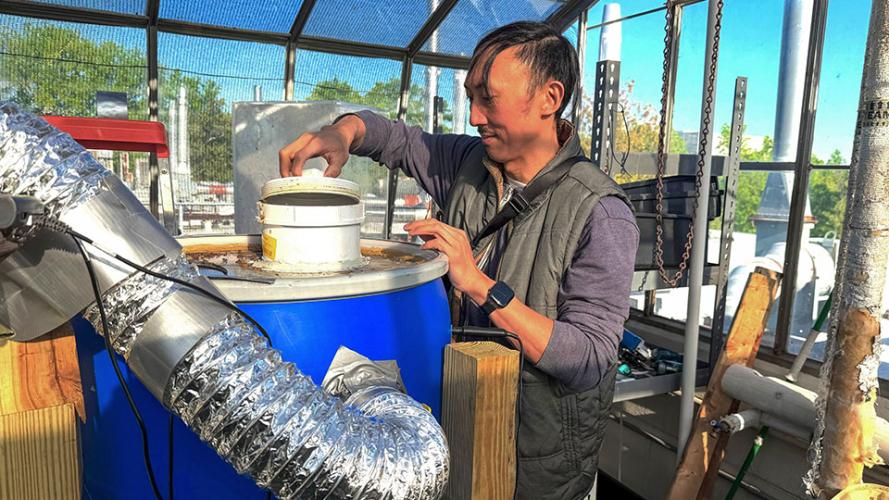
A Georgia Tech researcher and his students are using experimental composting to reduce campus food waste and support agriculture.
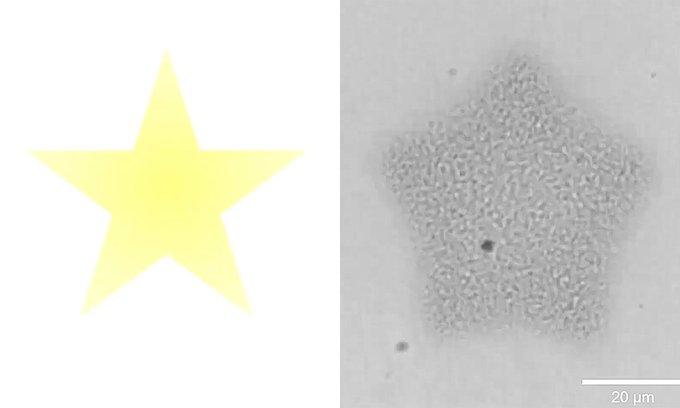
Engineers interested in creating artificial cells to deliver drugs to unhealthy parts of the body face a key challenge: for a cell-like system to move, change shape, or divide, it needs a way to generate force on command.
Researchers at Georgia Tech are using math, science, and artificial intelligence to better understand how people think, move, and perceive the world.
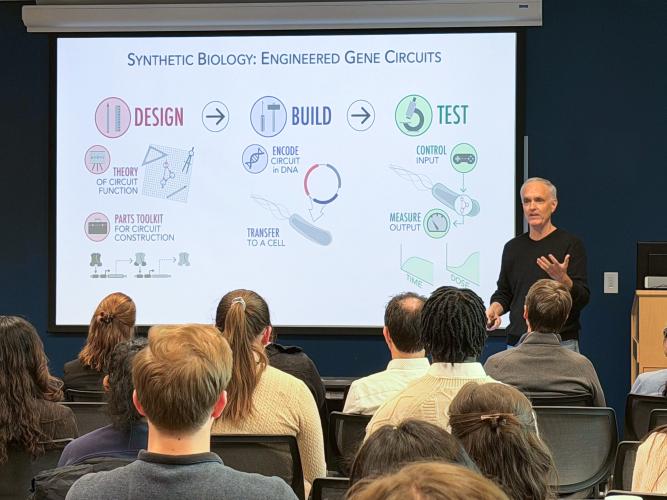
The 34th annual Suddath Symposium brought together researchers, trainees, and invited speakers from across disciplines to discuss cutting-edge efforts to translate synthetic biology advances into human health-relevant technologies.

AI and machine learning provide new tools for scientists to think about drug discovery.
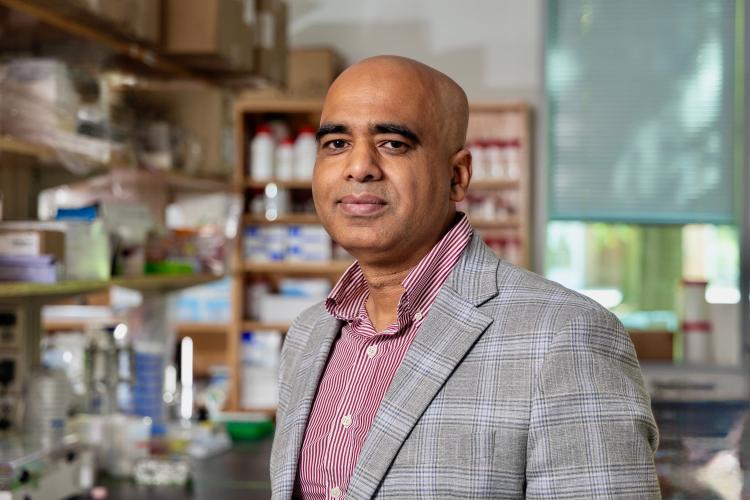
A Georgia Tech-led research team has received up to $6 million to develop SHIELD, a new platform designed to rapidly create immune-based countermeasures against a wide range of deadly biological threats.
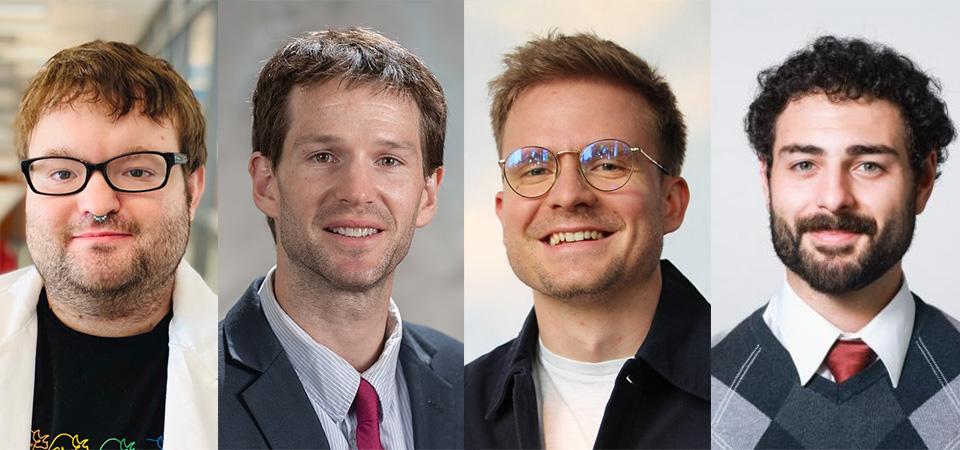
The Center for Immunoengineering at Georgia Tech has awarded the inaugural Singh Family Research Awards to two faculty members and two students advancing innovative immunoengineering projects.
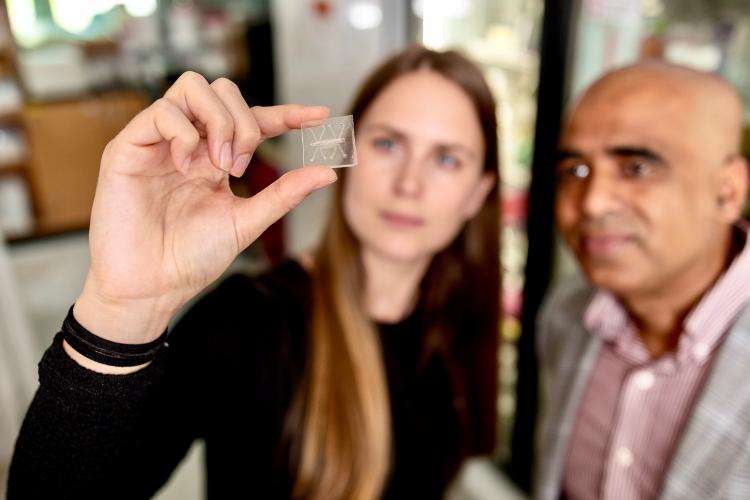
A team of researchers led by Ankur Singh has been awarded up to $6 million from DTRA of the U.S. Department of Defense to accelerate the development of MCMs against deadly biological threats that endanger public health, national security, and warfighters.
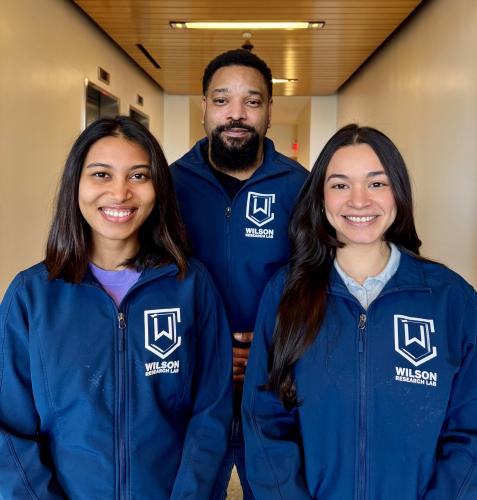
Research published in Science Advances demonstrated the effectiveness of this technology in protecting high-value engineered cell lines.
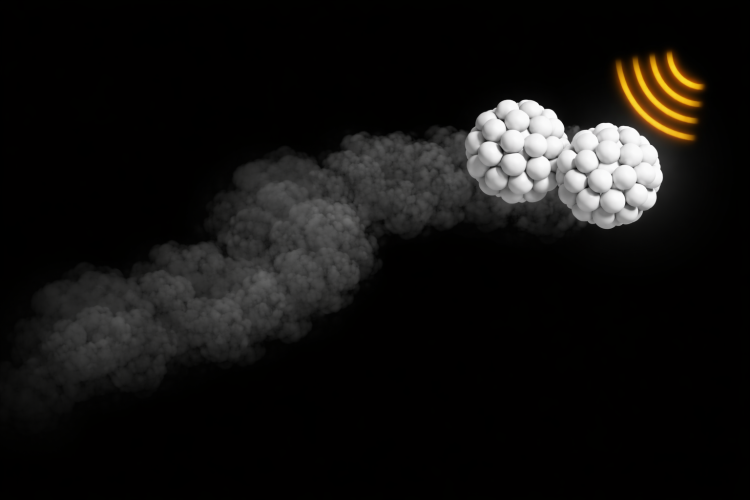
Georgia Tech engineers have created electronics-free robotic swarms whose collective intelligence emerges entirely from mechanical design, enabling coordinated behavior for applications in medicine, space, and beyond.